The Power of Chiropractic Recovery Roadmaps
Chiropractic Care is often misunderstood as a quick adjustment, pop, or click that provides sudden relief for a stiff neck or lower back pain. In actuality, chiropractic care is a lot more complex, with plenty of layers and use cases that may surprise you. Healing is rarely an overnight event. Modern, evidence-based chiropractic care operates on a far more strategic framework, using recovery roadmaps as their golden guide.
Understanding how a structured care plan works, and seeing how it applies to real-life scenarios like athletic performance or accident recovery, can transform how you approach your physical health.
What Is a Chiropractic Recovery Roadmap?
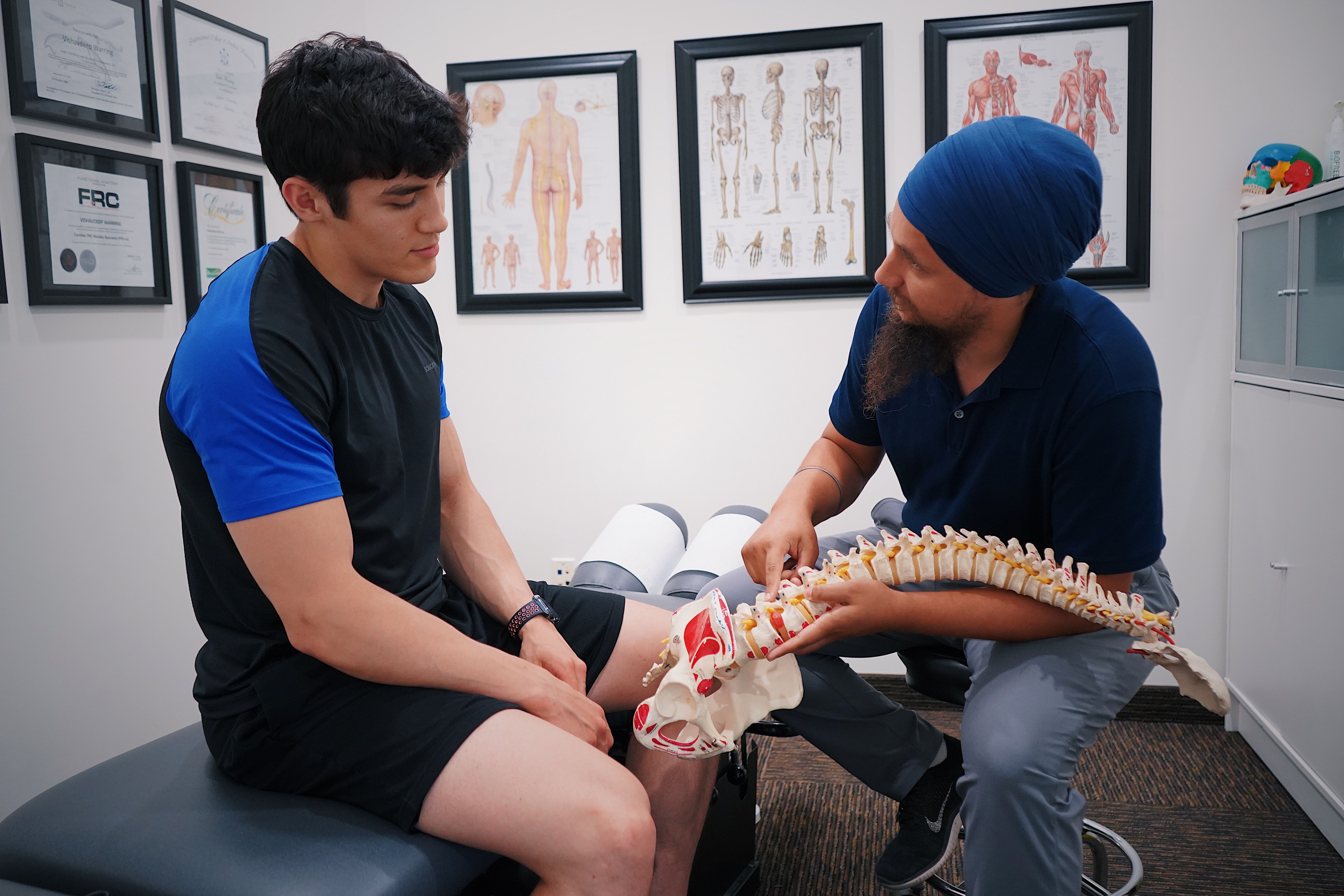
A chiropractic recovery roadmap is a personalized, treatment plan designed around your unique anatomy, lifestyle, and goals. When you visit a professional chiropractor for the first time, they will never immediately start working on your body without good cause. Instead, they will use your first session in order to assess what issues you are facing, ask questions about your current lifestyle, and take into account the needs of your body, or the nature of your injury.
After that, a roadmap is formed, which not only addresses the immediate acute pain you are feeling, but also ensures that your recovery is consistent, and long lasting, usually through repeated sessions and/or recommended habits.
By treating recovery as a journey rather than a single event, patients achieve lasting results instead of finding themselves stuck in a cycle of recurring pain.
Treatment Options
Modern practitioners draw from a full toolbox of conservative treatment modalities to customize your roadmap:
Spinal and Joint Adjustments: Precise manual or instrument-assisted movements to restore joint mobility and neurological function.
Soft Tissue Therapy: Modalities like myofascial release, instrument-assisted soft tissue mobilization (IASTM), and trigger point therapy to break up scar tissue and ease tight muscles.
Corrective Exercises: Custom stretching, strengthening, and core-stabilization exercises designed to reinforce correct movement patterns.
Postural & Ergonomic Coaching: Tactical adjustments to your daily desk setup, sleeping position, or biomechanics to reduce daily wear-and-tear.
These are just a few examples of the tools that chiropractors can employ to help their patients. Outside of this article, there are many more techniques and tools that chiropractors have at their disposal as a result of the ever growing field of spinal care.
Real-World Use Cases: Beyond Basic Back Pain
The versatility of chiropractic care makes it a powerful asset across a wide range of situations:
1. Auto Accident & Sudden Trauma Recovery
Whiplash and soft-tissue injuries from car accidents often result in micro-tears in muscles, ligaments, and cervical joints. Pain may not peak for days or weeks after the impact. A tailored recovery roadmap targets hidden inflammation early, gently restores range of motion, and prevents scar tissue from causing chronic stiffness or headaches down the line.
2. Sports Performance & Athletic Care
For athletes, chiropractic care can help to maximize functional output. By optimizing joint alignment and biomechanics, athletes experience better flexibility, faster recovery times between workouts, and reduced risk of strains or overuse injuries.
3. Proactive Injury Prevention
You don't need to be in pain to benefit from chiropractic care. Office workers sitting for long hours, active parents, and aging adults all face daily postural stress. Maintenance adjustments and preventive exercise plans keep biomechanical imbalances from developing into painful, debilitating conditions.
Take Charge of Your Physical Health
Your body is designed to move, adapt, and heal. By partnering with a practitioner who uses a comprehensive recovery roadmap, you gain a clear picture of the next steps to take to heal properly. Whether you are healing from an unexpected injury, training for your next half-marathon, or simply aiming to move through daily life without stiffness, structured chiropractic care offers a clear pathway forward.