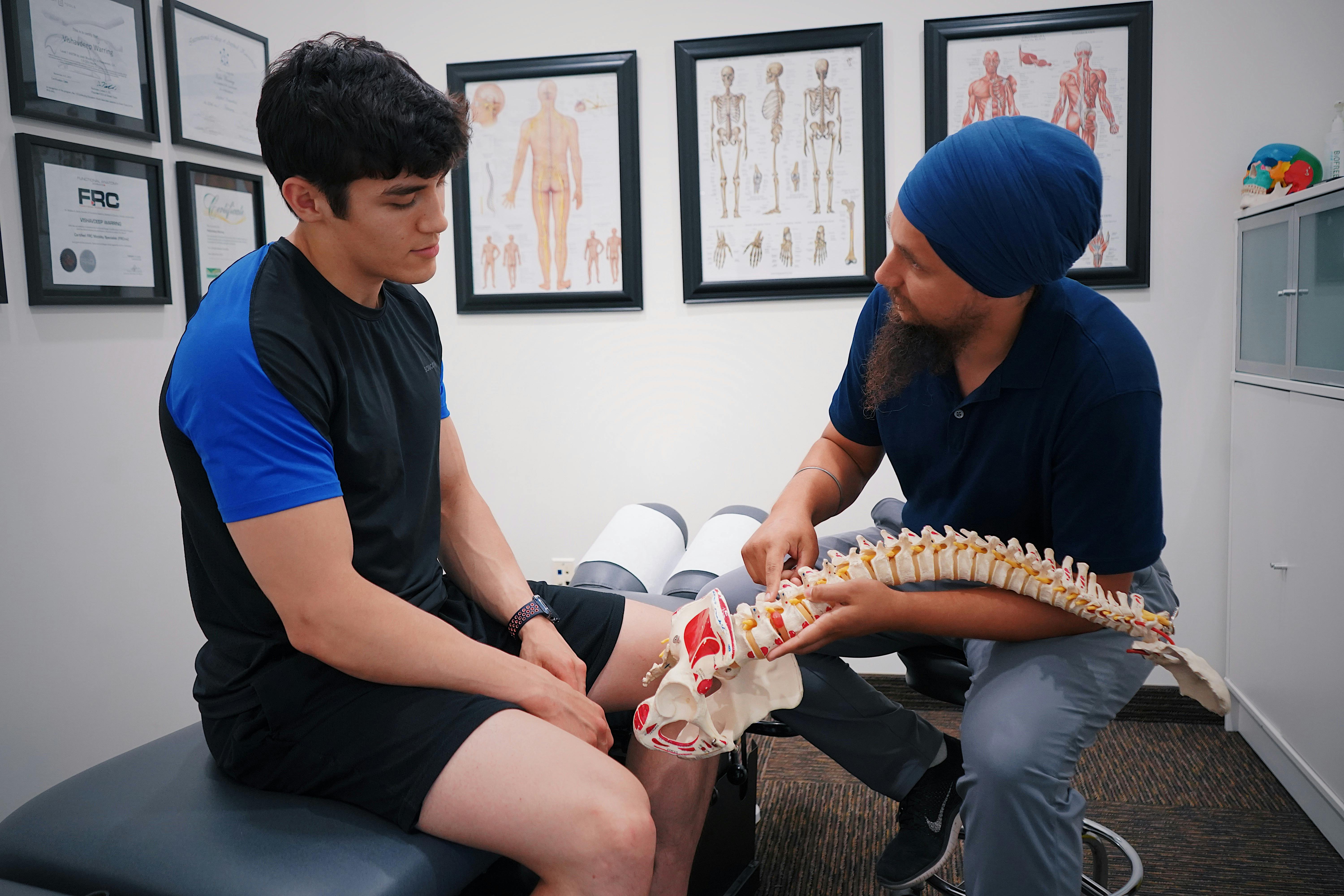
Understanding the Root of Spinal Injuries: A Chiropractic Perspective
When most people think of a spinal injury, they picture a dramatic event. A car accident, a fall from a ladder, or a heavy lifting mishap. While these acute traumas are certainly significant, the chiropractic perspective delves deeper into the "root" of why injuries occur and why some people seem more prone to them than others.
From a chiropractic standpoint, a spinal injury isn't always a single moment in time; it is often the result of long-term structural stress and "micro-trauma" that eventually leads to a breaking point.
The Foundation: Subluxation and Spinal Alignment
The core of chiropractic philosophy centers on the vertebral subluxation. This term refers to a misalignment of the vertebrae that interferes with the nervous system. When the spine is misaligned, it can disrupt communication from the nerves to the limbs, and impact your day to day life.
Over time, these minor misalignments weaken the spine's integrity. When your spine is out of balance, it cannot distribute weight or absorb shock effectively. This is why a simple movement, like bending over to tie a shoe, can suddenly result in a "blown back." The root cause is often months or years of underlying misalignment that left the spine vulnerable.
Modern Roots
Chiropractors often categorize the root causes of spinal stress into the three categories:
Trauma: This includes sports injuries or accidents, but also "micro-traumas" such as poor posture at a desk or repetitive motions at work.
Toxins: Environmental factors and poor nutrition can lead to systemic inflammation, which weakens the soft tissues supporting the spine.
Thoughts: Emotional stress causes physical tension. Chronic stress keeps the muscles of the neck and back in a "guarded" state, pulling the spine out of alignment and increasing the risk of injury.
Finding Long-Term Relief
While many people wait until they are in debilitating pain to seek help, the goal of chiropractic care is to identify these root imbalances before they manifest as a crisis. By restoring proper motion to the spinal joints, a chiropractor helps the body return to its natural state of homeostasis.
When searching for the Best Chiropractor for your needs, look for a practitioner who doesn't just treat the spot that hurts, but analyzes your entire spinal Column and lifestyle. Education is a huge part of the process; the Best Chiropractor will teach you about ergonomics, core stability, and how to maintain your "adjustments" in your daily life.
Why Addressing the Root Matters
Treating a spinal injury by only addressing the symptoms (like taking pain medication) is like silencing a smoke alarm without putting out the fire. By focusing on the root, the alignment and function of the nervous system, you aren't just getting rid of pain; you are building a more resilient, injury-resistant body.
Understanding that your spine is a dynamic, living system is the first step toward true wellness. Whether you are recovering from a recent trauma or looking to prevent future issues, addressing the structural root is the most effective way to ensure long-term health.