How Spinal Decompression Tables Relieve Pain Without Surgery
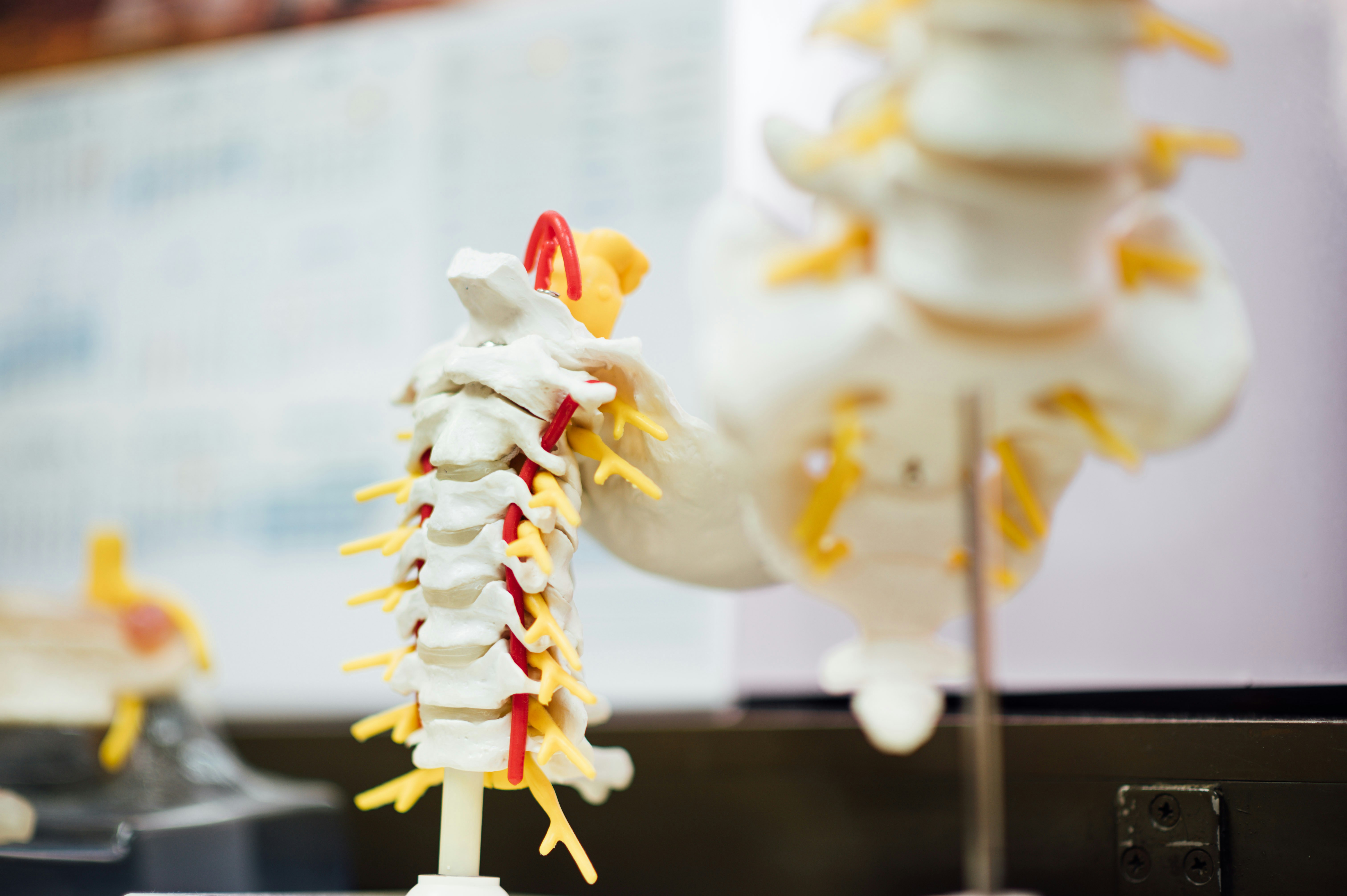
When most people picture a visit to the chiropractor, they imagine quick manual adjustments, twists, and pops. While traditional spinal manipulation is remarkably effective for many joint and alignment issues, it isn't the only tool in modern chiropractic care. For individuals suffering from persistent back pain, sciatica, or herniated discs, a non-invasive technology offers relief without surgery or manual force: Spinal Decompression Tables.
What Is a Spinal Decompression Table?
A spinal decompression table is a specialized motorized device engineered to gently stretch the spine in a controlled, precise manner. Unlike basic traction units of the past, modern decompression tables are computerized and customizable. They isolate specific regions of the lumbar or cervical spine to target damaged areas directly.
During a session, you remain fully clothed while lying comfortably on the specialized table. A harness fits securely around your hips and torso. As the computerized system applies gradual traction, the table creates a smooth, gentle cycle of extension and relaxation tailored specifically to your body's needs.
The Science of Decompression: How It Relieves Pain
To understand how spinal decompression works, consider the structure of your spine. Stacked between each vertebra are gel-like cushions called intervertebral discs. Constantly fighting gravity, poor posture, and physical stress, these discs can compress over time. When severe, a disc can bulge or herniate, pressing directly against surrounding spinal nerves, which are the primary cause of sharp, radiating pain down the legs or arms.
Spinal decompression tables combat this issue through two main biological mechanisms:
Creating Negative Intradiscal Pressure: The gentle, targeted stretching creates a vacuum effect inside the disc. This negative pressure helps draw bulging or herniated disc material back into its normal space, pulling it away from irritated spinal nerves.
Promoting Nutrient and Fluid Exchange: Discs receive very little direct blood supply in adulthood. The continuous, cyclical motion of decompression increases fluid flow, encouraging water, oxygen, and nutrient-rich fluids to move into the disc to accelerate natural healing.
Is Spinal Decompression Right for You?
Spinal decompression is particularly effective for several common spinal issues, including:
Herniated or bulging discs
Sciatica (sharp pain traveling down the leg)
Degenerative disc disease
Injured or diseased spinal nerve roots
While decompression is safe and comfortable for most patients, it isn't recommended for everyone, such as pregnant individuals or those with severe osteoporosis, metal spinal implants, or bone cancer. A thorough chiropractic evaluation ensures treatment matches your specific health history.
Understanding what options you have on hand can be very empowering. If you are wondering whether a Spinal Decompression Table can help alleviate your spinal issues, consider talking to a chiropractic expert to see if it is right for you.